
When Data Knows Who You Are, Before Your Next Click
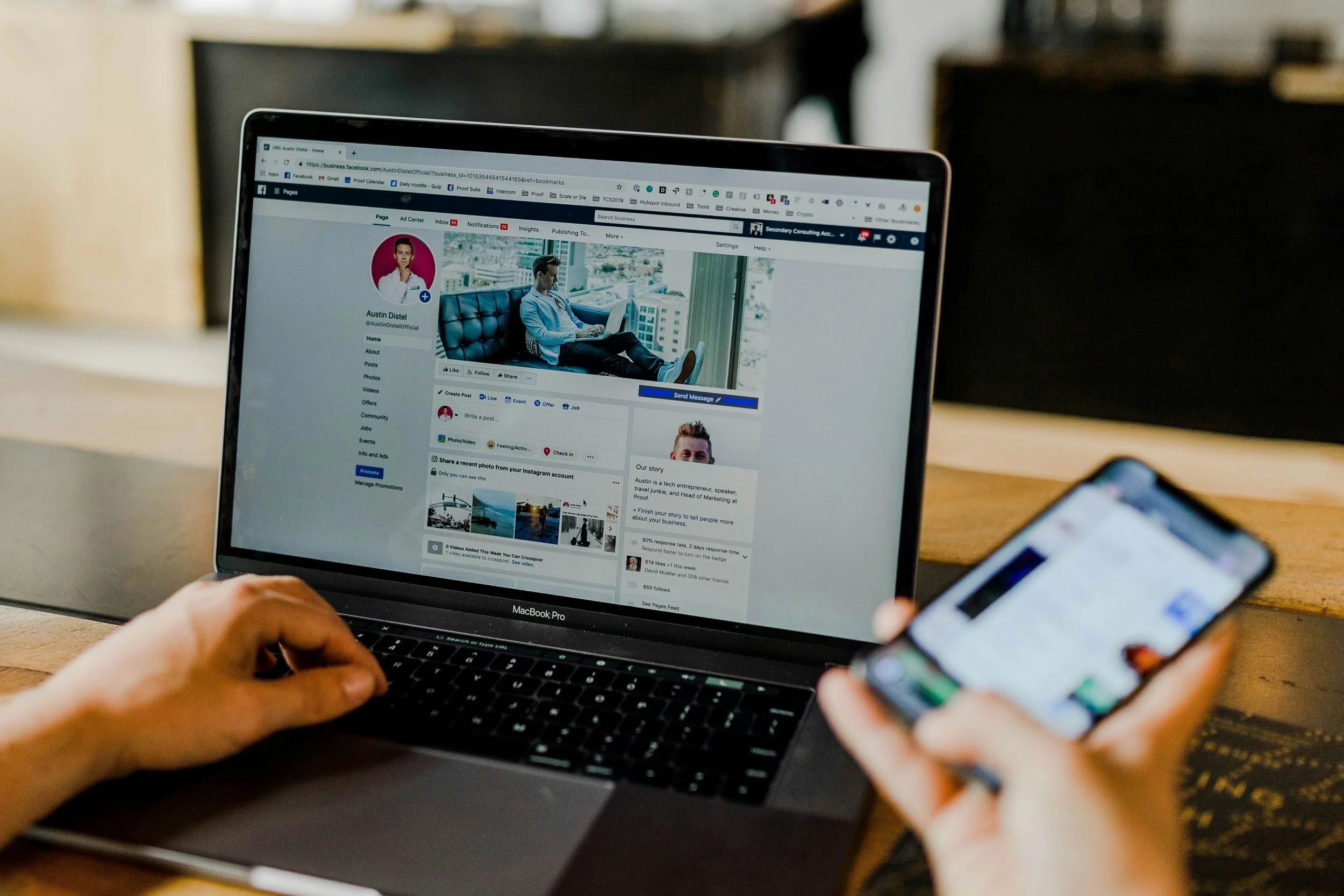
Photo by Austin Distel on Unsplash
Predictive analytics is one of the most fascinating and controversial tools in modern marketing. Companies analyze customer purchasing behavior to identify patterns that can signal major life events and shifts in habits. In the article How Companies Learn Your Secrets, Target used customer purchase histories to identify shoppers who might be pregnant. By examining combinations of products such as vitamins, unscented lotion, and cotton balls, the company created a predictive model that could estimate whether someone was expecting and even approximate a timeline.
From a marketing standpoint, the strategy makes sense. Businesses want to reach consumers when their routines are changing because that is when people are most open to forming new habits. This connects to the idea of the habit loop, which includes a cue, a routine, and a reward. When a major life transition occurs such as moving, starting a new job, or preparing for a baby, existing shopping habits are often disrupted. During those moments, consumers may try new brands or products while building a new routine.
At the same time, the situation raises important ethical questions. Some forms of data collection feel reasonable. For example, tracking purchases through loyalty programs or analyzing overall shopping trends seems like a normal part of modern retail. However, it becomes more concerning when companies use that data to infer deeply personal information that consumers may not realize is being analyzed. In the Target example, pregnancy related coupons were mailed to a teenage girl before her family even knew she was pregnant. Situations like that highlight how powerful predictive analytics can be and why it needs to be handled carefully.
Transparency is critical when companies use consumer data. Predictive analytics can improve the customer experience by making promotions more relevant and timely. However, there is a fine line between personalization and invasion of privacy. If consumers feel like companies know too much about their personal lives, it can quickly damage trust.
Looking at this from my own perspective as someone building a creative brand like Salt + Cypress Co., the concept of predictive insight could be useful in a much more ethical way. Instead of trying to infer personal information, it could help identify patterns in the client journey instead. As an example, when a client invests in a brand identity, they often need the following: website design, social media and templates. They would also most likely launch graphics soon afterward. Recognizing those patterns allows a business to anticipate the next step and provide helpful solutions at the right time. In that sense, predictive thinking becomes a tool for improving services rather than tracking people’s personal data.
Predictive analytics shows just how influential consumer data has become in marketing. When used responsibly and with transparency, it can help businesses analyze and create better experiences and stronger relationships with their customers.
