
Why Your Brand Is Only Felt By Consumers – And How To Build Both Perceived & Real Value

There’s no doubt that many hours, dollars and resources go toward creating the perfect marketing messages, developing logos, and establishing the best value proposition possible for our products or services. Yet, the unappealing truth is – unless a potential customer’s brain agrees that your marketing messages are worth something, none of the effort you’ve invested will make a difference. Our exploration this week of the concepts of perception, customer loyalty, and how a business can evolve without losing its original intent helped me realize how much of the competition for customers takes place within the minds of those consumers rather than out in the marketplace.
Perception Is Not Neutral
I found this week’s review of the perceptual process particularly enlightening. In summary, when a person perceives something in their environment (i.e., absorbs information through one of their five senses), that information is first filtered by their level of interest and/or awareness of what they are perceiving. Once they've been aware of the stimulus and have selected which stimuli to pay attention to, their perceptions are then shaped based upon their own preconceptions/motivations/past experiences. Marketers have NO direct control over how consumers interpret the stimuli presented to them by us; however, marketers DO have control over which stimuli they present to consumers. Therefore, understanding that difference is important.
Practically speaking, the way you create your marketing message should enable that message to penetrate the clutter of competing messages. One very practical tool used to help understand whether your incremental improvements to your product will be noticed by your target market (and therefore be considered upgrades) is the Just Noticeable Difference (JND). This can be found in an example, using Weber's Law as an indicator, if you’re going to reduce the packaging of your product or make some slight adjustments to the formulation of your product so that your product has less calories than before -- to avoid exceeding the JND and having your customers notice these changes -- you would need to stay below the threshold for what constitutes a noticeable change. However, if you want your incremental improvements to be viewed as significant enough to represent an upgraded version of your product, you’ll need to exceed the JND. Developing the ability to determine at what point incremental improvements begin to cross the boundary of being noticed by your target market is a valuable competitive advantage.
Brand Loyalty Has Nothing To Do With Repeat Purchase Behavior
Many businesses misunderstand this concept. Customer loyalty is NOT simply repeat purchases. Any customer that continues to purchase your product on a regular basis because it is cheaper than other options available will cease purchasing from you as soon as another competitor comes along and undercuts your price. Consumer loyalty that is developed cognitively and emotionally (attitudinally) stems from an individual's relationship with your brand. Harley-Davidson is a great example. People don’t just purchase motorbikes from Harley-Davidson; they tattoo the company's logo onto their body. No pricing strategy could ever produce such loyalty. This represents an individual’s identification with the Harley-Davidson brand.
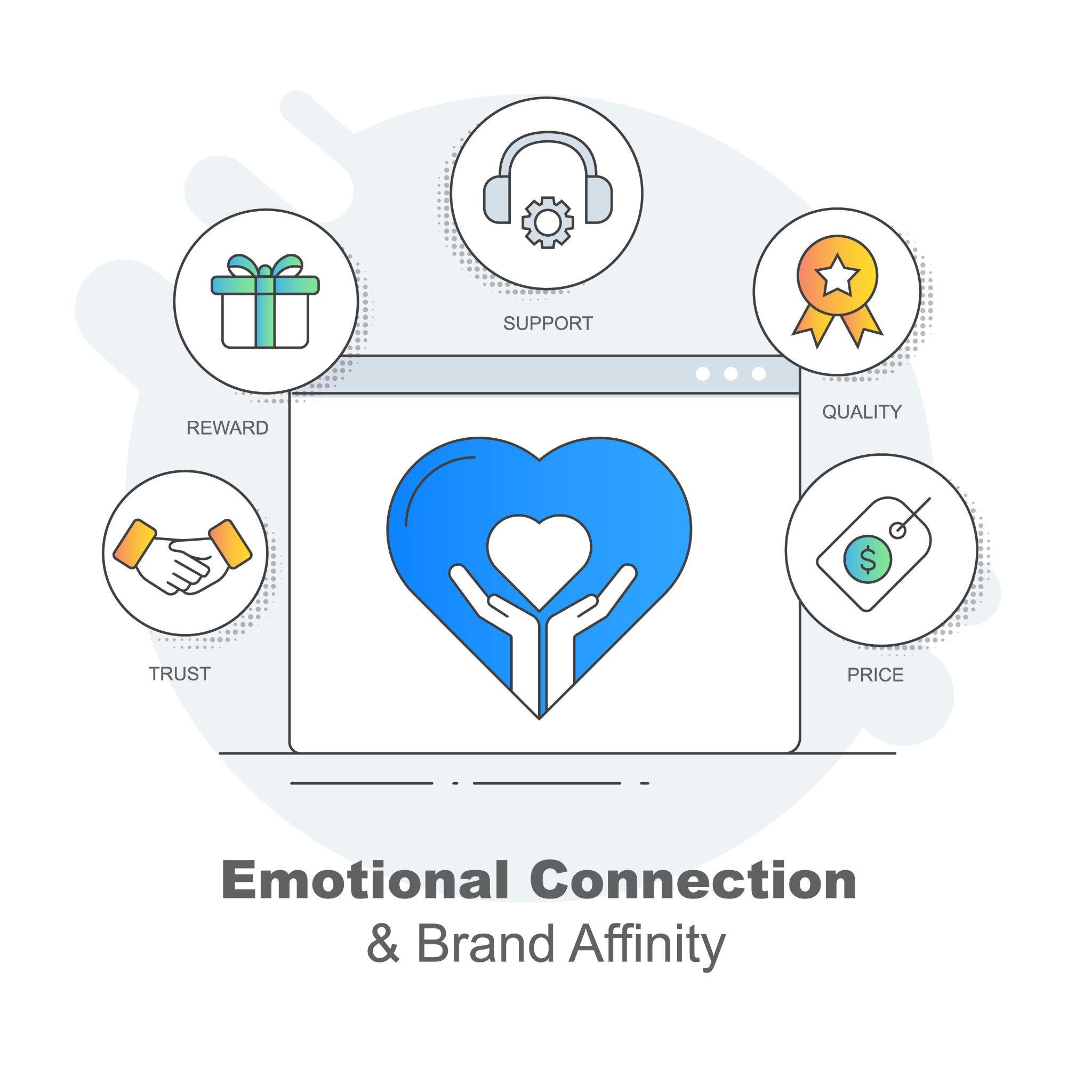
According to research published by Harvard Business Review, three types of factors contribute to a consumer's emotional connection to a brand and therefore loyalty: consumer needs, social influence and brand reputation. From a practitioner standpoint, it is apparent that discounts/loyalty programs are merely tactics and cannot replace strategies for building an identity that individuals wish to associate themselves with.
Brand Evolution Versus Rebranding: Understanding The Distinction Between Them
A critical aspect of my learning this week was the differentiation between brand evolution and rebranding. A rebrand refers to an almost instantaneous total transformation of a brand. Often times this type of transformation occurs when something has gone seriously wrong with a brand or when a brand needs to dramatically shift its positioning. On the other hand, brand evolution represents an evolving or progressive refinement of a brand's image over time. This is often due to shifts in consumer behavior and preferences as well as changes in competitive landscapes, technological advancements, etc.
Apple provides a classic example of a successful brand evolution. While Apple has changed the look and feel of their logo, messaging and products over the years -- they have always maintained their core identity as simple, innovative and offering a high-quality user experience. Maintaining consistent branding over time enables continuous evolution. According to the article on positioning strategy, brands continue to exist over long periods of time when they maintain ownership of the mental real estate associated with their brand while continuing to remain current.
Positioning Anchor
All of the above -- managing perception, building customer loyalty and evolving a brand -- come back to one fundamental question: What position owns in the mind of your consumer? Not the position you want or believe you deserve or that your marketing deck defines; but what position does your consumer currently define you as owning in their mind. The six positioning questions in this weeks readings provide a good check list for any marketer to use when assessing any strategy regarding their brand: Do you know what position you currently occupy? Are you able to defend it? Are you capable of maintaining it economically/creatively over time?
Clarity is money in today's highly communicative world. Brands that succeed are not necessarily those with larger budgets -- but rather those that are focused clearly on their target market and willing to wait patiently to hold their ground.
